A garage door looks basic from the driveway, however every smooth, peaceful cycle hides a great deal of physics. Weight circulation, spring torque, track geometry, anchoring, opener pressure restrictions, also the weather strip account, all of it needs to line up. When it does, you hardly discover the door. When it does not, you get a rattle that spreads via the framing, a door that drifts open on a gusty night, or worst of all, a panel that bangs down when a spring breaks. I have actually seen every variation of the avoidable error, from do it yourself mounts that chewed out brand-new rollers in a month to brand‑new Residential Garage Doors that buckled after the initial lake‑effect wind. A lot of those problems begin with the exact same handful of missteps.
This is an honest map of the traps, composed from the jobsite. If you are hiring, it will assist you veterinarian a Garage Door Service. If you are determined to do it on your own, it will aid you make more secure, smarter options and identify when to stop briefly and call a professional.
The dead spot that triggers the greatest problem: misinterpreting door weight and balance
A sectional Garage Door does not need to feel light, it needs to be balanced. With the opener separated, a correctly well balanced door must stay if you lift it to the halfway point. If it wanders up, the springtimes are over‑wound or overrated for the door weight. If it moves down, there is inadequate counterbalance. New installers typically attempt to repair slow travel by showing up the opener force. That is a band‑aid, and it chefs the opener electric motor while concealing a springtime issue. I have replaced five‑year‑old Residential Garage Door Openers that passed away young because they were asked to lift 60 pounds of fire rated commercial overhead doors net lots every cycle.
Balance begins with truth door weight. Magazine weights assume conventional hardware and no included insulation, home windows, or decorative equipment. I weigh doors with a range when the spec doubts. On a current work in Crown Point, a protected 16‑foot steel door with home windows was 35 extra pounds heavier than the graph recommended. One measure in torsion springs made the distinction between a silky lift and an opener that groaned.
If you have expansion springtimes, balance still matters, but the risk account adjustments. When an extension spring breaks without a control wire, it can whip. If you are acquiring an older configuration in Hammond or Hobart, check for containment cables going through the springs. If they are missing, add them prior to you touch anything else.
Measurements that cost you two times: headroom, backroom, and side room
An excellent door can work terribly if the opening geometry is wrong. Clearance is the space above the opening to the most affordable blockage. Backroom is the depth of the garage from the open up to the back wall surface or initially significant obstruction. Side room is the clear area to the left and right of the opening where upright tracks, drums, and angle iron live. Theoretically, you can fudge a little with low‑headroom packages or unique drums. In technique, every compromise has a cost.
I learned this by hand on a very early task in Merrillville. The home owner had 9 inches of clearance and wanted a typical torsion arrangement. We inserted it in, yet the opener rail kissed a ceiling joist every cycle. Two weeks later, we returned with a front‑mount torsion system and a low‑profile opener. It worked, but the added journey might have been stayed clear of with a frank conversation about clearances on day one.
Measure in three locations and make use of the smallest number. Check for garage door openers, lights, ductwork, and bonus‑room overhangs. In Portage and Valparaiso, I see a great deal of garages under living areas, which suggests lower ceilings and irregular framework. A neat sketch with measurements prevents shocks and maintains you from carving fresh drywall after the tracks go up.
Tracks that look fine, till the last panel binds
Track positioning is not a pointer. The verticals need to be plumb, the horizontals have to be degree, and the two sides need to stay in the exact same cosmos. If one horizontal track kicks out a half inch greater than the various other, the top section will certainly torque and the hinges will whine. If the vertical tracks are also a few levels out of plumb, the rollers will turn and scuff the rear of the track in one instructions and pop in the other.
I bring a 6‑foot level and a laser, yet a size of string can tell you a great deal. Attach it to the flag brackets and sight the run. The curve at the transition between upright and straight needs to be smooth. Hefty doors need a larger span curve than lightweight doors. Mix those up, and you will certainly obtain stutter at the corner, no matter how much lube you add.
Pay attention to the shimming. Do not chase after the studs with lengthy screws that pull the track out of airplane. Use appropriate track bolts and slotted brackets so you can fine‑tune. If the flooring is out of level by majority an inch across the opening, do not make even the door to the floor. Make the door square within the opening, set a degree referral, and utilize a limit seal to bridge the uneven slab. Otherwise, the leading section will never seal appropriately, and you will certainly be combating wind whistles every winter.
Torsion springtime mathematics matters more than bravado
There is a certain kind of nerve that shows up when someone purchases a winding bar collection and figures the rest will certainly comply with. I appreciate do it yourself spirit, yet torsion springtimes save genuine energy. Use the ideal bars, not screwdrivers. Put on eye protection. And keep both bars in the cone during winding.
More crucial, get the springtime size right. Wire dimension, inside size, and size all belong to a formula connected to the door weight, drum size, and lift kind. Thinking will cost you. I have unwound brand‑new springtimes in Schererville that were a complete wire size too little because someone shopped on price. The opener could move the door, however the wire drums were slipping periodically under load, which scarred the drums and extended the cables. By the time we exchanged in the proper springs, we likewise had to change the drums and cables.
If you are transforming from extension springtimes to torsion, think through the shaft support. A 16‑foot shaft that sags will fill completion bearings unevenly and use the cones. An additional facility bearing bracket in a vast opening is cheap insurance.
Fasteners right into actual framing, not simply drywall and hopes
I have depended on one hand the number of garages with framing specifically where you desire it. Most of the moment, you require to locate studs or include blocking. Lag screws require to bite strong wood. If you drive lags right into split or decomposed studs, or you depend on stonework anchors that are not rated for shear, the door will pull its way loose over time.
In Lake Station, I assisted a household whose door had actually torn a flag brace out of a block wall surface during a storm. The supports were the brief ones that come in a hardware store set. We drilled deeper, used sleeve supports rated for the lots, and backed them with a ledger to disperse the pressure. If you are installing right into brick, regard the mortar joint, yet aim for full‑depth supports in solid block when possible. In older Munster cottages, the jambs in some cases conceal shims and air. Poke test openings to verify meat behind the drywall prior to you commit.
The opener is not a winch: suit power, rail type, and features to the door
Residential Garage Door Openers can be found in tastes that fit various doors. A one‑piece wood tilt‑up requires a different method than a 16‑by‑8 shielded steel sectional. Chain drive is sturdy and cost-effective, belt drive is quieter, and wall‑mount openers maximize clearance and reduce rail flex for hefty doors. The horse power rating is just part of the story. Gearbox quality, rail tightness, and travel rate matter too.
One quiet upgrade I recommend in Chesterton and St. John is a direct‑drive wall‑mount opener paired with a torsion shaft for heavy protected doors. It cleans up the ceiling and gets rid of a great deal of resonance from the framework. If you go this course, check that your torsion tube and drums work with the opener coupler. For standard ceiling‑mounts, make certain the opener rail is centered and lined up with the door. A crooked rail presents side lots that chews via trolley bushings.
Do not forget safety and security sensors. Mount them no greater than 6 inches off the floor, co‑planar, and shielded from wheels and kids. I have seen a lot of sensing units zip‑tied to arbitrary pipes that migrate out of positioning whenever a person drags a trash bin by.
Weather seals and limits that actually seal
Homeowners see drafts on the first cold snap. Bottom seals harden with age. Jamb seals can crinkle away from the door if they are installed in a bow. When fitting brand-new Residential Garage Doors, I dry‑fit the bottom seal with the door down and check light spaces. On unequal slabs, an adjustable aluminum retainer with a taller light bulb seal conserves the day. In Valparaiso, where freeze‑thaw cycles heave pieces a little bit, I occasionally set up a beveled limit glued to the flooring to produce a trusted landing for the seal. It also quits wind‑driven leaves from spiraling into the garage.
Avoid over‑tightening the side seals. They need to kiss the door, not crush it. Too much pressure swirls the plastic and adds rubbing, which can trip opener pressure sensors en route up in winter when lubricants are stiff.
Insulation, R‑values, and truthful expectations
Insulated Residential Garage Doors aid with comfort, but not all R‑values are produced equal. Polyurethane‑filled doors secure better and are stiffer for a provided thickness than polystyrene. Do not expect a garage to seem like a living-room even if the door is shielded. You still have conduction via concrete and spaces at edge joists. What you ought to expect is much less temperature swing, a quieter door, and better strength versus wind. Much heavier shielded doors additionally need springing and opener options that reflect the included weight.
If you save tools or have a home health club in the garage, insulation is worth it, particularly near Lake Michigan where wind and lake result make wintertime bite. That claimed, I have actually seen individuals spend added for the highest R‑value panel, then leave a half‑inch gap along the jamb. Emphasis initially on a top quality door with limited joints and a correct seal plan.
Local wind lots and code truths that do not forgive shortcuts
Northwest Indiana sees its share of gusts. In Whiting and along revealed lots in Cedar Lake, wind can pressurize the face of a big door and bow panels if the door is under‑braced. Wind‑rated doors utilize heavier scale skins, struts, and better attaching patterns. If you are swapping a door without considering wind tons, particularly on double‑wide openings, you are rolling dice. The difference in between a door that trembles and a door that holds shape is a couple of additional struts and correct joint types in the leading sections.
Do not skip authorizations if your district requires them. Some towns connect evaluation to wind supporting and fire splitting up in garages under living area. It is not bureaucracy for enjoyable, it is the structure that keeps your insurance valid after a storm.
The 2 temptations that spoil new doors: lubrication and pressure dials
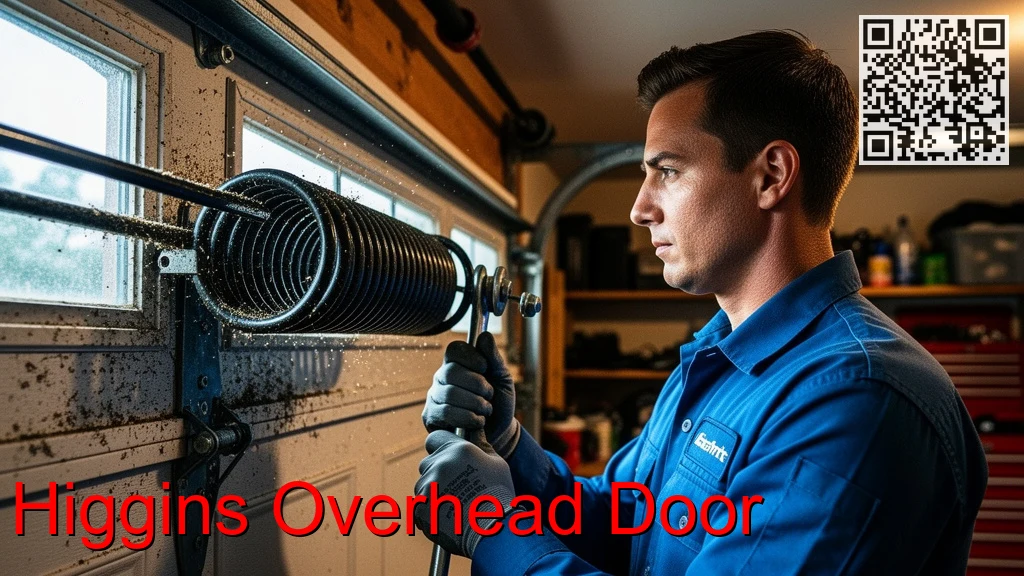
There is a right time to lube and a wrong place to spray. Make use of a garage‑door specific lubricating substance moderately on rollers with round bearings, pivots at the pivot points, and torsion springtime coils. Do not grease the tracks. Grease becomes grit paste and slows down the rollers. Wipe tracks clean rather. If a nylon roller squeaks, change it rather than marinading it.
On opener force and traveling settings, start with the guidebook. Set traveling first, then pressure, after that examine the auto‑reverse. A 2‑by‑4 laid level under the door is the common examination block. If the door does not reverse when it hits the block, transform the pressure down and check balance once more. I have seen well‑meaning people crank force to max because the door jumped off the seal. That is not a fix, it is a hazard.
A brief pre‑install check that conserves hours later
- Confirm clearance, side space, and backroom in 3 locations each, and illustration obstructions. Weigh the old door or compute the new door weight with add‑ons like home windows and hardware. Verify framework and pick supports that match the product, not the product packaging photo. Stage proper springtimes, drums, and track span for the door weight and size. Test the opener on a bench or flooring to validate travel prior to hanging it.
When to quit and call a pro
- The door weight or spring choice is uncertain and you can not validate with a range or spec. A panel is noticeably curved, joints are wrinkled, or the top area bows under the opener arm. Cables have jumped the drum or are frayed, and you do not have winding bars and confidence. The slab is out of level more than an inch and you require a limit plan. The opening is under a home, and you are unclear about fire separation or code.
A great local attire does not simply sell a door. They recommend. If you look Garage Door Firms Near Me in Schererville or Garage Door Fixing Near Me in Valparaiso, look for specifics in their descriptions, not just discount coupons. In my experience, teams that work regularly in Cedar Lake, Chesterton, Crown Factor, Hammond, Hobart, Lake Station, Merrillville, Munster, Portage, St. John, and Whiting know the traits of neighborhood framing, wind, and winter months. That neighborhood memory financial institution matters.
Accessories and tiny choices that include big everyday value
Residential Garage Door Accessories are not fluff when selected well. A steel reinforcement bracket at the opener arm connection on the leading panel keeps the area from creasing. An automatic deadbolt that involves when the opener shuts tenses the door against prying without you considering it. Smart controllers that integrate with your phone let you check if the door is closed from the roadway, and some include signals if the door is exposed longer than an established time. If you have kids, those notifies pay for themselves fast.
Battery backup deserves it. Power flickers are greater than an inconvenience if an automobile is within and the manual launch is difficult to get to. In neighborhoods with overhead lines, a back-up transforms a non‑event into, well, a non‑event.
After the last screw: the silent punch list
The best installs end with a slow, essential cycle. Watch the rollers at each joint as the door travels. They need to remain focused in the track, not ride high or low. Listen for clicks, which normally imply joint play or a roller with a level spot. Check cord stress at mid‑travel. The relaxed side ought to not go soft enough to run the risk of jumping the drum. Verify that all set screws on drums and springs eat, but do not dimple the shaft with wild pressure. Mark the drum and shaft with a paint pen so you can detect creep later.
Cycle the opener via its full traveling 3 times. Sensing units aligned, lights working, wall surface control and remotes coupled, holiday lock discussed to the home owner. Leave a small wall mount or tote with extra joint bolts, a brief length of lower seal, and touch‑up paint for steel doors. Those small touches keep small nicks from becoming rust blooms.
Real cases that show the price of tiny mistakes
In Munster, a home owner acquired a good-looking carriage‑style steel door and installed it with a friend. They misread the drum established screw place and injury one spring in reverse. The door opened, yet it crept down overnight and left a two‑inch space. They showed up opener pressure to hold it. 2 weeks later, the opener cart stripped. The solution was simple, loosen up and rewind the springtime the correct direction, change the cart, and reset force. The expense would have been half without the opener damage.
In Hobart, a double‑wide door babbled en route up just in cold weather. The tracks were square, springtimes right, opener smooth. The perpetrator was the side weather condition seal screwed in a wavy line that pinched the door unevenly when the plastic tensed in winter season. We re‑set the seals on a chalk line, backing off the pressure, and the babble disappeared. It is a tip that not every noise is a big mechanical failure.
In Valparaiso, I switched a curved leading section where the opener arm had been connected without a support bracket. The panel creased at the stiles under duplicated load. Twenty bucks of steel would have saved an area worth hundreds.
Safety and common sense keep repairs away
Garage Door Repair service fits. Cable televisions put on, springtimes reach their cycle life, rollers lose bearings. Yet a large chunk of emergency situation calls can be prevented with a solid mount and a quick seasonal regimen. Two times a year, detach the opener and really feel the equilibrium. Clean the tracks, dab lubricating substance moderately where it counts, and eye the wires for broken strands. If you listen to a brand-new sound, discover its source prior to it becomes a bigger one.
If something really feels beyond your convenience, obtain assist prior to you are in deeper. Whether you remain in Garage Door Fixing Cedar Lake region or you require Garage Door Repair work Chesterton, Garage Door Repair Work Crown Factor, Garage Door Fixing Hammond, Garage Door Repair Service Hobart, Garage Door Repair Lake Station, Garage Door Repair Merrillville, Garage Door Fixing Munster, Garage Door Repair Portage, Garage Door Repair Schererville, Garage Door Repair St. John, Garage Door Fixing Valparaiso, or Garage Door Repair Service Whiting, a qualified tech will certainly diagnose promptly, discuss alternatives, and leave you with a door that feels effortless again.
The persuasive instance for doing it right the very first time
You see your garage door much more days than you see your dental professional. It is the front line against weather condition, a huge piece of your home's curb charm, and a device that operates inches from household and pet dogs. Cutting edges on Garage Door Installment does not save cash once you count the premature opener substitute, the warped panel, the draft, the 9 pm phone call due to the fact that a cord slid a drum. Doing it appropriate is not unique. It bewares measuring, right springing, true tracks, solid anchoring, a matched opener, and restriction on the pressure dials. Add little touches like support braces, high quality seals, and clever controls, and you end up with a door that vanishes into the rhythm of your days.
If you are shopping, ask a possible installer just how they size springtimes, just how they take care of unequal pieces, what bolts they use in block versus wood, and what they recommend for your precise wind exposure. Listen for details. If you are mounting on your own, maintain this guide close, and be sincere with yourself about the steps that belong in a pro's hands. A quiet, balanced door is not a deluxe. It is the standard your home deserves.
Higgins Overhead Door 1305 Erie Ct, Crown Point, IN 46307 +12196632231
 Ask ChatGPT
 Ask Grok
 Ask Perplexity
 Ask Claude
 Ask Google AI
 Ask You